
At Aitken Spence Travels, we believe that meaningful travel goes hand in hand with positive impact. Guided by this principle, the Pure Path Foundation serves as the sustainability arm of our organization, dedicated to creating lasting value for people, nature, and the future. The Foundation’s work is centered on three core pillars:
As a Travelife Certified Destination Management Company, Aitken Spence Travels leads by example, integrating responsible practices across all aspects of our operations. The Pure Path Foundation reflects our continued commitment to sustainable tourism and to ensuring that every journey we create leaves a legacy of care, respect, and resilience.
The Sri Lankan subspecies of Asian elephant (Elephas maximus maximus) is a flagship species and an iconic symbol of Sri Lanka’s ecological and cultural heritage. For centuries, elephants and humans coexisted harmoniously across the island. However, rapid population growth, habitat loss, agricultural expansion, and forest fragmentation have intensified human–elephant conflict. This results in elephant calves become separated from their herds or lose their mothers due to human-elephant conflict.
Being social animals, orphaned calves lack survival skills which they learn through social interaction with their herd and are unable to survive independently in the wild.
Recognizing this grave conservation need, the Department of Wildlife Conservation established the Elephant Transit Home at Udawalawe National Park to rehabilitate orphaned calves and reintroduce them into their natural habitats.
The Elephant Transit Home is located on the western boundary of the Udawalawe National Park, adjacent to the Udawalawe Reservoir, which creates a rich and diverse ecosystem supporting both wild and rehabilitated elephants. It provides temporary rehabilitation care for orphaned elephant calves, ensures calves develop natural herd behavior through peer socialization, minimizes human contact to maintain wild instincts.
Elephant calves are releases back into wilderness areas at approximately 5–6 years of age.
Since its establishment over 300 orphaned elephant calves have been rehabilitated and released.
Approximately 40–60 calves are cared for at any given time.
At ETH, elephant calves receive specially formulated milk feeds at regular intervals, veterinary monitoring and medical treatment, natural socialization with other calves, gradual transition to natural foraging behavior and structured reintegration into wild elephant populations.
They are never chained, not used for tourism entertainment and not allowed direct visitor interaction. This ethical approach ensures higher survival rates following release into the wild.
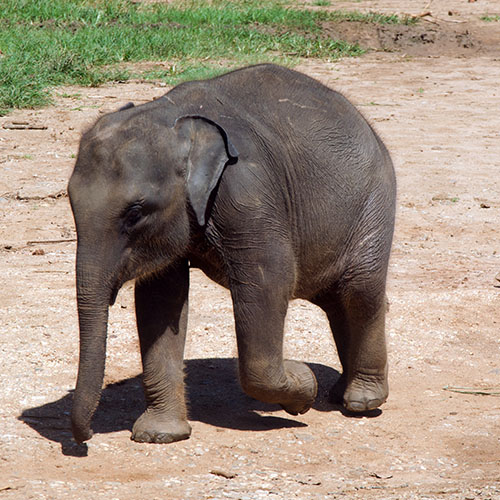
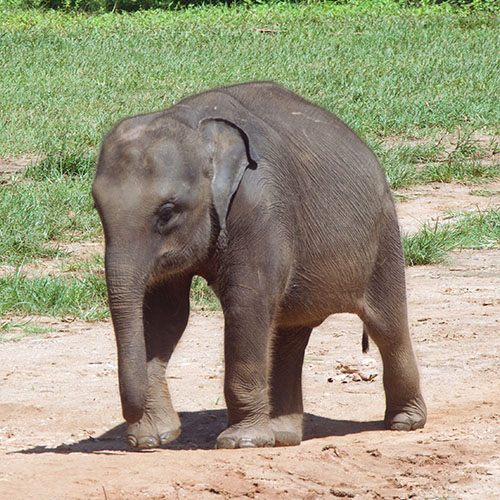
Aitken Spence Travels has successfully fostered elephant calf “Bhanu” who was released back to the wild in 2022.
We are currently fostering elephant calf “Anagi” a rescued elephant calf discovered trapped and injured in 2022.
 |
 |
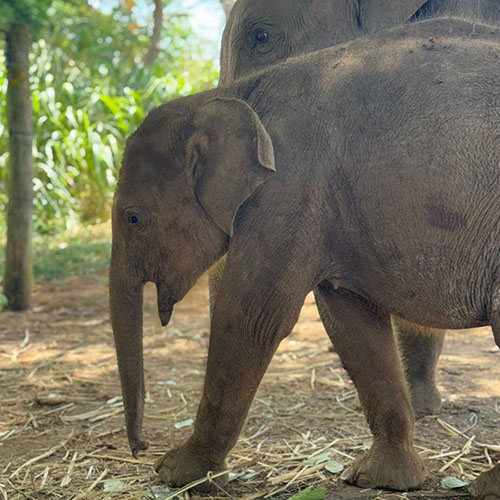 |
We also facilitate foster parenting partnerships between conservation stakeholders and the DWC. As our first such initiative we are currently fostering calf “Randeni” on behalf of one of our guests.
Women in rural Sri Lanka play a central role in sustaining households, agriculture, and community well-being. Despite their significant contributions, many rural women continue to experience deep-rooted social inequities and economic vulnerabilities that limit their opportunities, security, and long-term resilience. Rural livelihoods in Sri Lanka are largely dependent on agriculture and informal labor, sectors that are highly vulnerable to climate variability, market instability, and environmental degradation. Women in these communities often engage in unpaid family labor or low-income, seasonal work such as subsistence farming, food processing, or casual wage labor. Their work is frequently undervalued, unrecognized, and excluded from formal economic systems. In many rural households, women have limited decision-making power over finances, resource use, and livelihood choices, even when they contribute substantially to household income. This reinforces cycles of dependency and social inequity.
Reed weaving is a traditional craft deeply rooted in Sri Lanka’s rural heritage, particularly in the dry zone. Passed down through generations, this artisanal skill reflects a harmonious relationship between nature, culture, and community livelihoods. Historically, reed weaving was practiced in villages located near wetlands, tanks, and riverbanks, where reeds grew abundantly. Women used locally harvested reeds to create functional household items such as baskets, mats, storage containers, and carrying bags. Beyond utility, reed weaving carried cultural meaning. Designs, patterns, and weaving styles often reflected regional identity, family traditions, and communal knowledge shared among women. With the modernization, reed items were replaced by plastic alternatives. Due to lack of market opportunities, the new generations were reluctant to learn the reed weaving techniques and the knowledge and skill was limited to elderly generations.
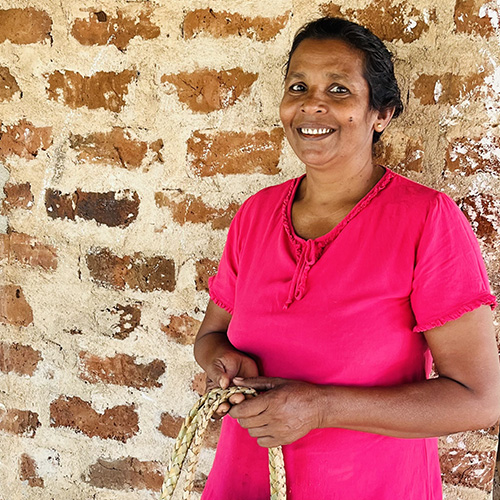
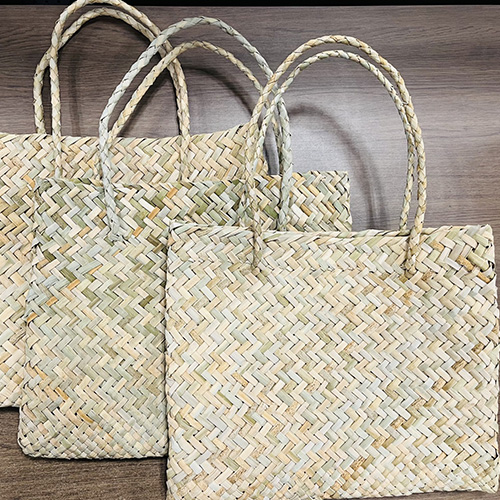
Aitken Spence Travels step up to purchase the reed bags from the rural women of the villages of Walagambahuwa, sivalagala and Digampathaha. As part of this initiative, we provide necessary training and skill development, guarantee the purchase of all finished products, ensuring income security and promote fair wages and safe working conditions. Recognizing the new economic opportunities, the younger generation voluntarily stepped forward to learn the craft from these elders, ensuring the transfer of knowledge and preservation of cultural heritage.
 |
 |
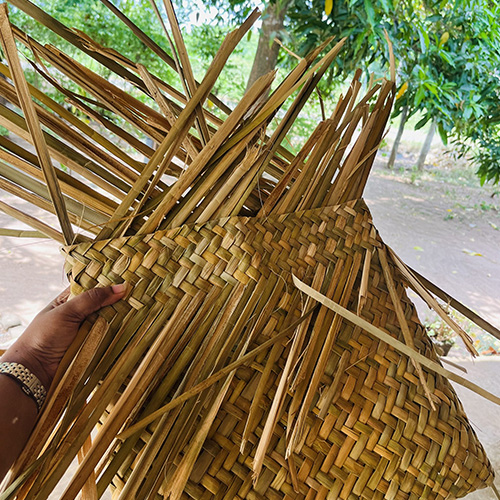 |
The introduction of reed bag weaving has provided women of these families with a reliable secondary income, and for several households, it has now become their main source of livelihood. Today, over 20 families are engaged in this activity. She Weaves: Reed bag project Uplifting of livelihood.
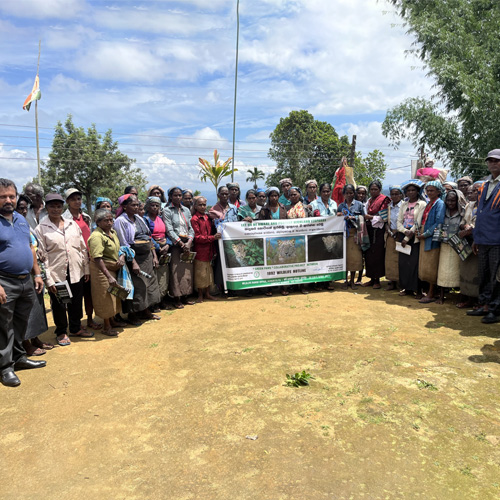
Green Paws is a community-centered leopard conservation initiative carried out by Aitken Spence Travels in partnership with the Department of Wildlife Conservation.
The Sri Lankan Leopard (Panthera pardus kotiya), an endangered and endemic sub-species found only in Sri Lanka, is one of the island’s most iconic wildlife species. As the apex predator of Sri Lanka’s ecosystems, the leopard plays a vital role in maintaining ecological balance and protecting biodiversity.
However, increasing human activity, habitat fragmentation, and encroachment into forest areas have intensified human–leopard conflict, particularly in the Central Highlands of the country. As forests shrink and leopard territories overlap with tea estates and rural villages, leopards often prey on livestock and pets in search of food. This creates fear, economic hardship, and growing hostility toward wildlife conservation among affected communities.
At the same time, leopards themselves face increasing threats. In recent years, more leopards have been injured or killed after being caught in illegal snare traps before wildlife officers could reach them for rescue.
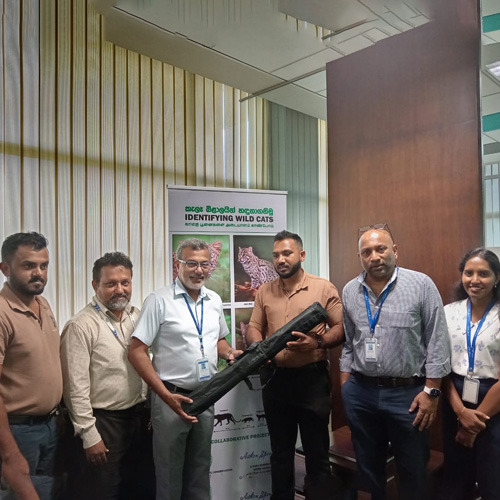
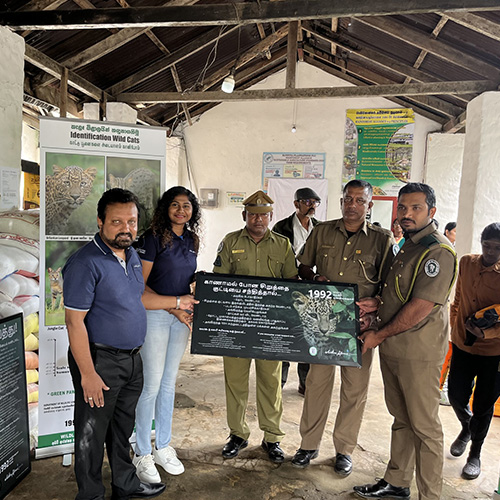
Recognizing that long-term conservation can only succeed through community engagement and awareness, Aitken Spence Travels launched the Green Paws project with collaboration of Department of Wildlife Conservation to promote peaceful human–wildlife coexistence.
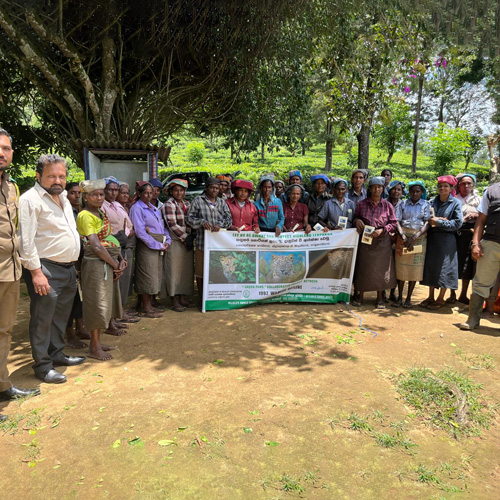
Through a series of awareness programs conducted across tea estates and rural villages, the initiative educates communities about leopard behavior, conflict mitigation measures, and the importance of conserving this magnificent species. The programs also help strengthen communication and cooperation between local communities, estate management, and wildlife officials.
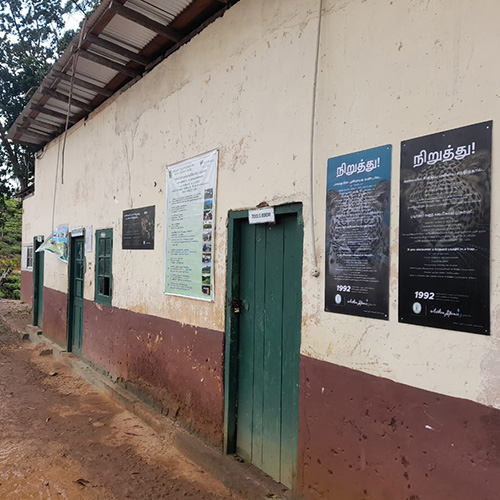
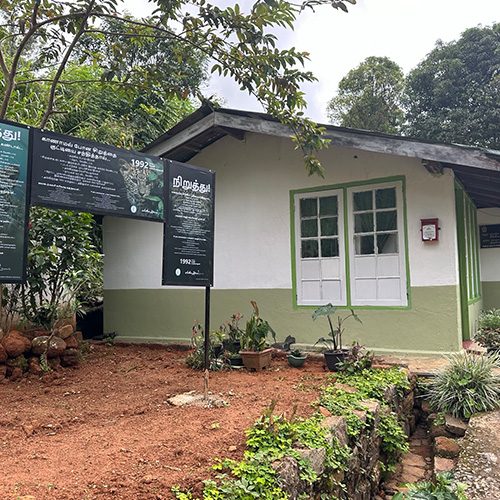
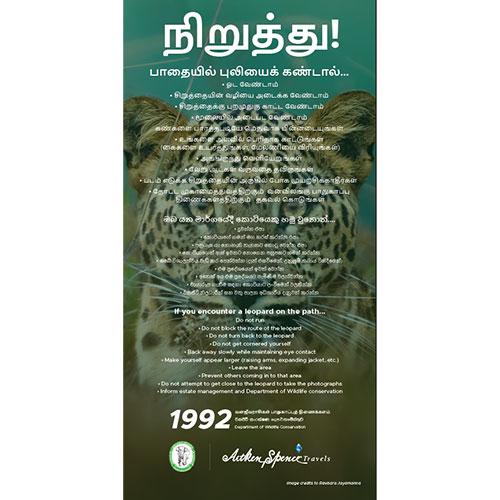
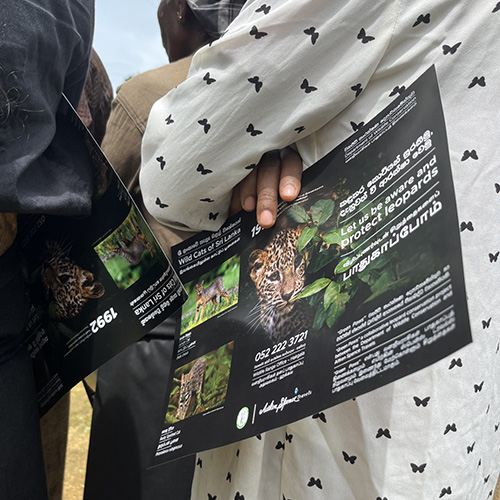
As part of the initiative, awareness boards have been installed in high-risk areas highlighting the dos and don’ts during leopard encounters, while educational leaflets on Sri Lanka’s wild cats and safety measures are distributed among communities. In both cases DWC Hotline was highlighted. In addition, infrastructure support is provided to the Department of Wildlife Conservation to strengthen rescue and conservation efforts.
To date, the project has conducted more than 50 awareness sessions across several states and villages, reaching over 30,000 people.
For Aitken Spence Travels, Green Paws is more than a conservation project. It reflects our broader commitment to sustainable tourism, biodiversity conservation, and community empowerment. Protecting Sri Lanka’s natural heritage is essential not only for the environment, but also for the long-term sustainability of the tourism industry and the wellbeing of future generations.
 |
 |
 |
 |
 |
 |
 |
 |
Ignite is a career guidance program initiated by Aitken Spence Travels.
Through interactive sessions led by our experienced team, students receive practical career advice and insights into the dynamic travel and tourism industry. We also facilitate the teaching of foreign languages, recognizing the importance of multilingual capabilities in today’s global job market.
Further, we offer meaningful internships and employment opportunities, providing young talent with first-hand experience and professional exposure. By nurturing their potential, we aim to inspire purpose-driven careers and contribute to the long-term socio-economic upliftment of the communities we serve.
This initiative reflects our belief that sustainable development is rooted in inclusive growth and the creation of shared value for future generations.

